High Passes of the Val di Funes: An Alpine Meditation
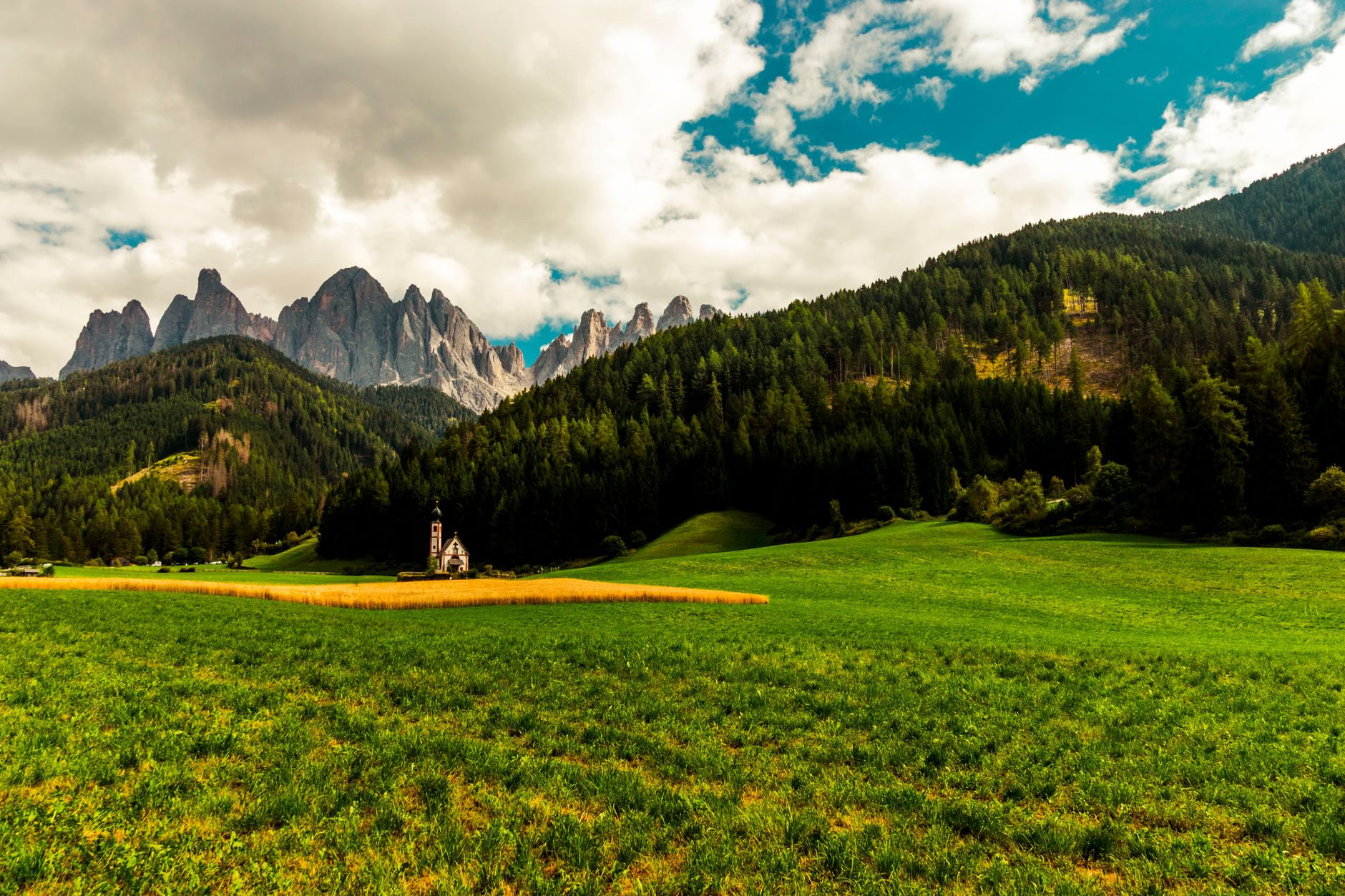
The jagged teeth of the Odle massif do not invite casual intimacy; they command reverence. Standing at the timber gate of St. Magdalena as dawn breaks, one realizes that the limestone spires do not change their demeanor for anyone. Under the slow creeping sunlight, the cold gray crags bloom into warm ochre and apricot, casting long, solemn shadows across the hay meadows.
The Heritage of Ancient Transhumance
For centuries, the inhabitants of this valley followed a strict seasonal clock dictated not by digital agendas, but by grass and snowfall. Before the arrival of funiculars and asphalt passes, every shepherd carried butter, curd, and salted pork along steep stone routes known as the Adolf Munkel trail.
Walking along these paths today, one feels the crunch of dolomite scree beneath mountaineering boots. The air tastes of pine sap, cold stone, and damp alpine earth. There are no cellular beacons along the higher ridgeline, leaving travelers alone with the whistle of marmots and the distant tolling of cattle bells.
Practical Guidance for the Quiet Route
Travelers eager to experience the Odle range in complete contemplation should note the following recommendations:
- Optimal Season: Late September through mid-October, when the larch needles turn golden and day hikers have largely departed.
- Shelter: Reserve alpine huts (rifugi) at least four months in advance. The Geisleralm offers simple wooden quarters with locally produced mountain dairy.
- Gear: Windproof shell, rigid boots with Vibram soles, and lightweight trekking poles to navigate slippery limestone fragments.
As evening falls over the Val di Funes, the church of St. Johann stands illuminated against the massive rock face, an enduring symbol of balance between human presence and untamed altitude.
Curating Your Own Alpine Crossing?
Our editorial team prepares custom trail dossiers for independent adventurers.