The Rhythm of Uji Matcha: Preserving Kyoto's Slow Craft
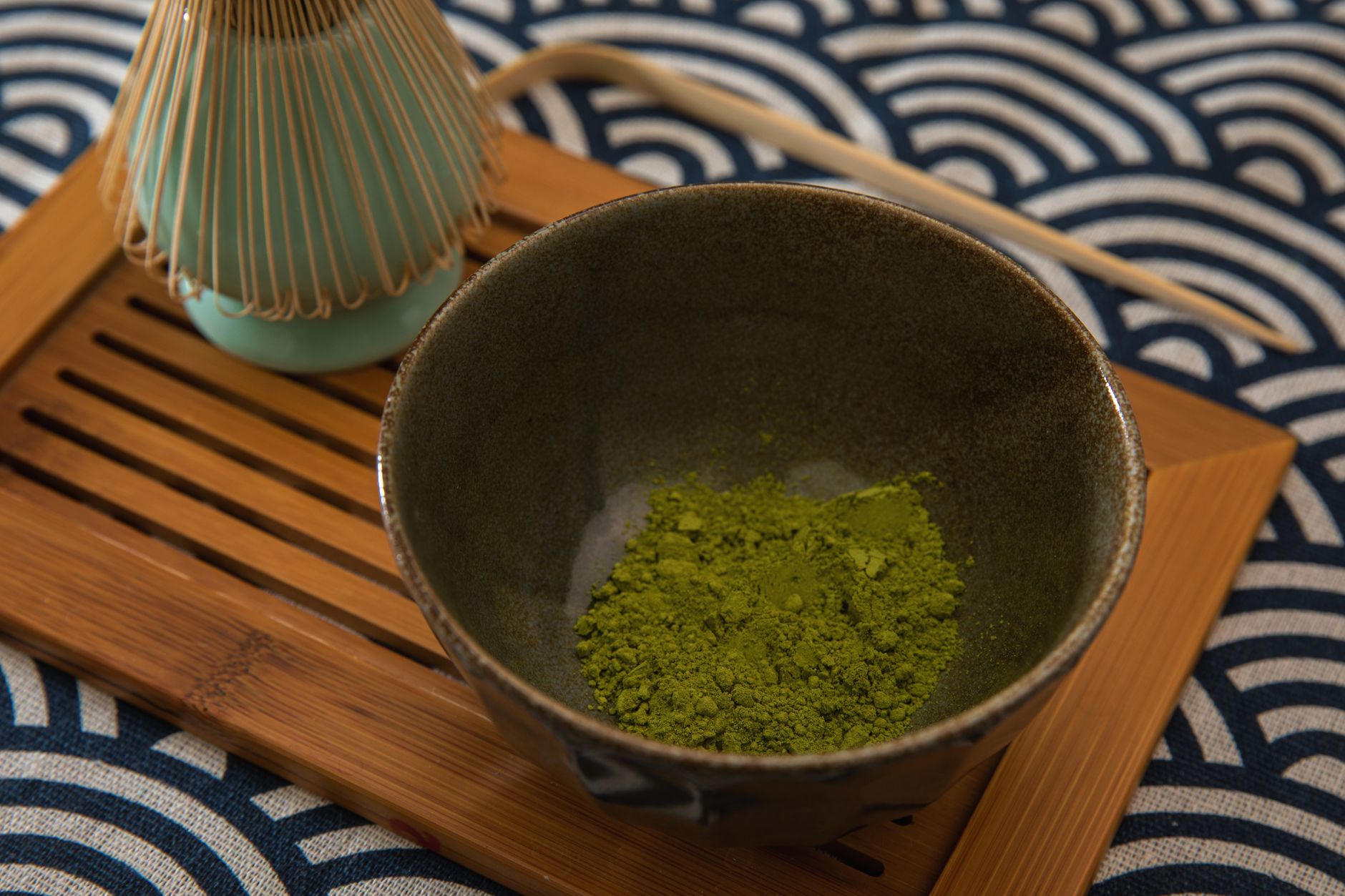
Just south of Kyoto, where the Uji River carves its channel through morning mists, the rhythm of human enterprise slows down to match the speed of growing leaves. Here, tea is not a hurried beverage swallowed from disposable cups; it is a sacred discipline that takes decades to master.
The Science of Shadow and Stone
True ceremonial Tencha—the raw leaf destined to become matcha—begins its journey under reeds and straw mats erected weeks before harvest. By depriving the tea bushes of direct sunlight, chlorophyll production surges, concentrating amino acids that give the finished powder its deep emerald color and velvety sweetness.
In the workshop of Master Terada, a twelfth-generation tea artisan, the mechanical roar of modernity is absent. Instead, pairs of heavy granite millstones turn slowly at sixty revolutions per minute. Any faster, and the friction will scorch the fragile leaf. It requires one full hour of steady rotation to produce a modest thirty grams of powder.
The Geometry of Stillness
Sitting in an open-air wooden chashitsu overlooking the moss gardens, every movement is deliberate. The bamboo scoop (chashaku), the iron kettle humming like wind through pines, the gentle whisking with a split bamboo chasen until jade foam carpets the ceramic bowl.
To taste this matcha is to experience umami in its purest vegetal manifestation—an antidote to sensory overload. In an age of digital restlessness, visiting Uji serves as a reminder that the highest forms of culinary art require complete surrender to time and patience.
Experience Private Tea Residencies
Gain certified access to artisanal workshops in Uji through 111111's network.